
Conformity
By Peter LloydI used to think that people of past generations were not as good looking as we are today. That was until I worked as an extra on the set of The Public Eye.
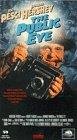 Like 250 other extras, I was given a haircut and made up to look like someone from the early 40s. After I was transformed, I walked in to a holding area.
 It could have been a train station from a few generations ago. These aren't contemporary people made up to look like 40s people, I thought. These are 40s people—scoop-weary news reporters and photographers, mothers weary of their wiggling charges, eager young doctors, nurses in white caps, forlorn soldiers, and hard-jawed policemen.
So much for my idea that people look any better today. It's clothes and hairstyles that make the man and woman.
And then I noticed something else about our costumes. These people, from so many of today's walks of life, congregated around cafeteria tables in a pattern that was unsettling to someone who studies the creative behavior of individuals.
The nurses sat with nurses, the soldiers confined themselves to another corner, the cops confiscated a long table in the back of the room where they could see all of us.
No, I'm afraid we not only looked no different than people of more than a half century ago. We didn't act a whole lot differently. The artificial demands of our uniforms prevailed. Even when they were artificial uniforms.
Were we just getting into our roles? Or is there something about a uniform that overcomes reason? I don't know, but the next time I tie a tie around my neck, I'm going to ask myself, who's in charge?
Peter Lloyd is co-creator with Stephen Grossman of Animal Crackers, the breakthrough problem-solving tool designed to crack your toughest problems.