
The Complaint Is Not the Problem
By Peter LloydThere’s an old story that warns problem solvers not to begin solving until they’ve found the right problem. It’s been told so many times in so many different settings, I feel justified in condensing it for you, at liberty. So here goes...
A hotel manager, hearing complaints from guests that the elevators run too slowly, looks into speeding them up and installing destination dispatch, but the cost prohibits her from implementing either. Eventually she solves the problem by installing mirrors in the elevator lobby. The complaints end.
Moral of the Story
When you attack a complaint as it is expressed, you can waste time searching for solutions that cost too much, take too much time, waste resources, or just can’t be done. So before addressing a complaint, it pays to dig deeper. For the right problem.
Problem finding is a critical step in the Creative Problem Solving Process. Critical in this case because, when guests say the elevators run too slowly, speeding up them up, even if it were an affordable option, may not stop the complaints. The real problem may lie in the cramped elevator lobby, its drab surroundings, or your guests’ uncertainty about when the next elevator will arrive.
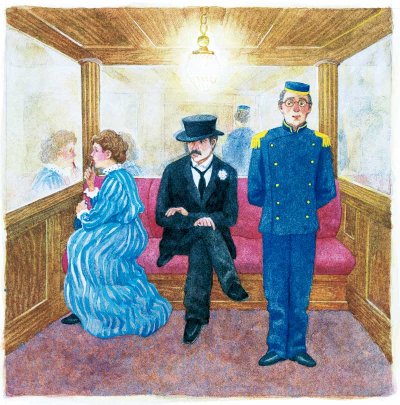 This is why hotel and apartment managers enhance lobbies with plants, tv monitors, music, and posters that announce upcoming events. Disney and other amusement park operators have learned that guests will complain less about long waiting lines for popular rides when signs inform them of the remaining wait time.
The proverbial hotel story concludes with the manager installing mirrors, because they solve the real problem—not slow elevators but anxious riders. Mirrors make the waiting space feel bigger and offer most people something they like to look at, namely, themselves. They help people straighten their ties, fuss with their hair, or secretly examine someone else’s reflection rather than ogle openly.
To find the problem behind the complaint, ask laddering questions. You’ll uncover more problem-solving opportunities. Then solve the one that will do the most to reduce the complaint, cost you the least, and take the least effort to implement. An example of laddering questions:
Question: Why is that a problem?
Answer: It makes me wait.
Question: Why is that a problem?
Answer: I don’t like to wait.
Question: Why is that a problem?
Answer: It bores me.
Question: Why is that a problem?
Answer: I’ve got more interesting things to do.You can solve each one of these answers with a different kind of solution.
| Answer | Approach | Solution |
| It makes me wait. | Reduce the wait. | Speed up the elevators. |
| I don’t like to wait. | Make my wait more pleasant. | Improve the surroundings. |
| It bores me. | Entertain me. | Music, monitors, posters, news. |
| I’ve got better things to do. | Help me get something done. | Phones, computer terminals, ways to order services. |
Already you’ve got more than one way to reduce the original complaint. Keep on laddering and you’ll find even more.
Peter Lloyd is co-creator with Stephen Grossman of Animal Crackers, the breakthrough problem-solving tool designed to crack your toughest problems.